
The Art of Limited Editions

Limited Edition Fine Art Prints

Publishing your work as a numbered, signed edition — produced with care on archival fine art paper, printed only as you sell, and authenticated for the collector.

24/100
Signed by the Artist
What Are Limited Editions?

Scarcity, by design.

Limited edition prints are produced in a fixed, pre-declared number — which makes each print more exclusive. For popular work, the market price can rise over time as supply becomes scarcer and demand grows.

Edition sizes vary widely and are ultimately a marketing decision, not a technical one. A good giclée printer can produce the thousandth print in an edition as beautifully as the first.

Contrary to popular belief, you don't have to print every piece in your edition in one run. The edition number is a promise — it caps what you will ever produce in the future. Print five today, another ten next year, the rest when you sell them.

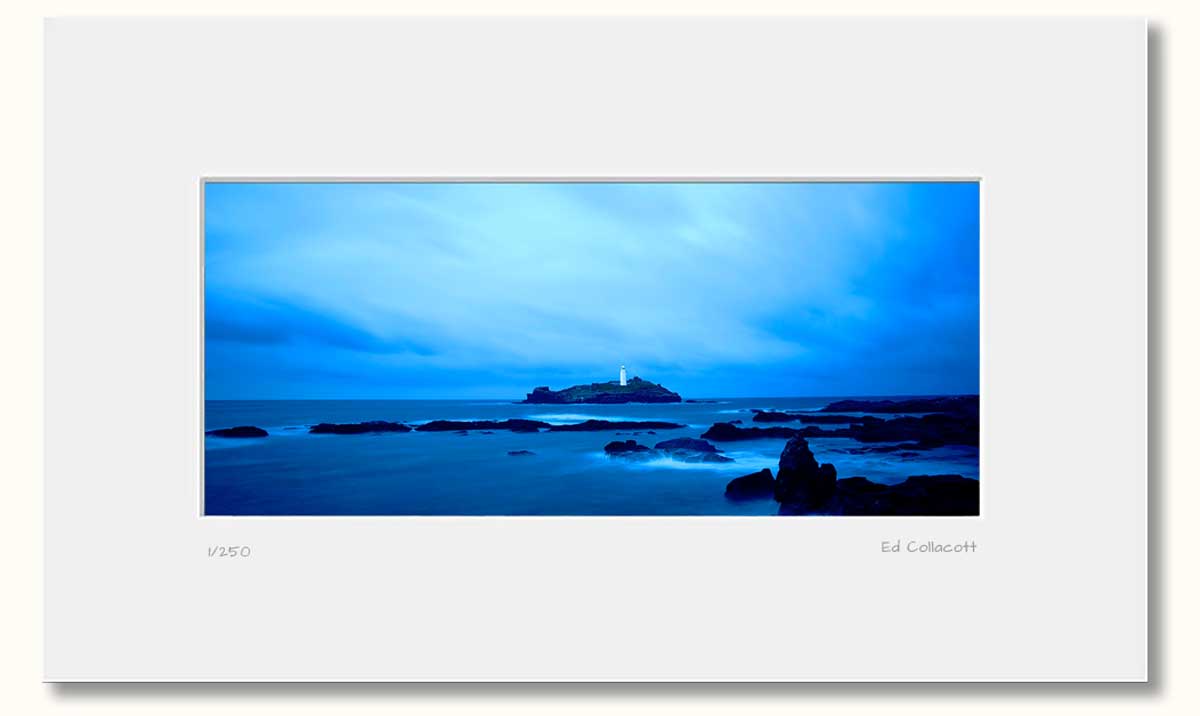
A signed and numbered limited edition giclée print, the artist's pencil noting the edition fraction beneath the image.
The pencil-numbered fraction beneath a print is a quiet promise — a piece becoming, by the artist's own hand, unrepeatable.
Which is right for your work?

Open Editions & Limited Editions

Once your original artwork has been scanned and proofed on your chosen paper, you have a choice to make about how your reproductions are released to the world.

Flexible, Accessible

Open Editions

Open editions can be produced in any quantity and the image may appear on other media — greeting cards, posters, calendars. They tend to sell for less than limited editions and are much less likely to increase in value over time.

  • Unlimited print run — print as many as you sell
  • Image can be reused across other products and formats
  • Lower price point, broader audience
  • Ideal for prints sold as affordable art
Collectible, Signed, Numbered

Limited Editions

Limited editions are produced in a strictly capped number — typically anywhere from 10 up to 500 — with a binding commitment that no further reproductions of that image will ever be made. Each print is usually signed and numbered by the artist.

  • Edition size fixed and publicly declared at release
  • Each print numbered (e.g. 24/100) — often in pencil beneath the image
  • Signed by the artist, boosting long-term value
  • Supplied with a Certificate of Authenticity
  • Higher price point, positioned for collectors
The Guiding Principle
“Make your intentions clear at the outset — your edition size, your print sizes, your chosen paper. Put it in writing, and honour it for the life of the edition.”
The Ethical Publisher's Rule
Common Questions

Getting the detail right

Can I mix paper types and sizes within the same limited edition?

Yes — so long as the composition of the edition is declared from the start. For example, an edition of 50 prints could comprise 25 at 20" x 16" on Hahnemühle FineArt Baryta, and a further 25 at A2 on Photo Rag. Both the marketing material and the certificate of authenticity should state these details plainly.

What you mustn't do is decide those terms after the fact. Clarity up front protects both you and the collector.

Can I extend the edition later if it sells well?

No — and doing so is both unethical and damaging to your reputation. Once a limited edition has sold out, the edition is closed. Extending it retrospectively devalues every print already bought by a collector on the understanding of scarcity.

If you'd like to release further work from the same image, do so as a different edition — different size, different paper, different title — and make the distinction absolutely clear.

Can I reuse the image on a greeting card or other product?

Once an image has been published as a limited edition, it should not appear on commercial products — cards, calendars, merchandise — in any form. To do so undermines the exclusivity you promised your collectors when they bought the print.

If you want to use an image commercially, release it as an open edition instead, where this flexibility is implicit.

Do I have to print the whole edition at once?

Not at all — and this is one of the real advantages of giclée over traditional offset litho. There's no minimum run, no plate cost, no stockholding. Print as you sell, and you avoid both upfront cost and the risk of unsold inventory sitting in a studio cupboard.

A Mark of Provenance

The Redcliffe Certificate of Authenticity

To help you market your limited edition and reassure collectors, we provide our own certificate of authenticity. It's printed on archival paper and left blank for both the artist and the printmaker to sign — a two-signature arrangement that adds weight and traceability to the provenance of each print.

The certificate carries the artist's details, the title of the work, the paper used, the dimensions, and the edition number and date. Together with the signed and numbered print itself, it forms the complete collector's package.

Learn more about Certificates
Ready to publish your edition?

Let's talk it through

Publishing a limited edition is a decision worth getting right the first time. We've been printing and advising artists on edition planning since 1982 — the paper choice, the sizing, the numbering, the certificate. All of it. And our advice is always free.

Or speak with Thomas directly 0117 952 0105